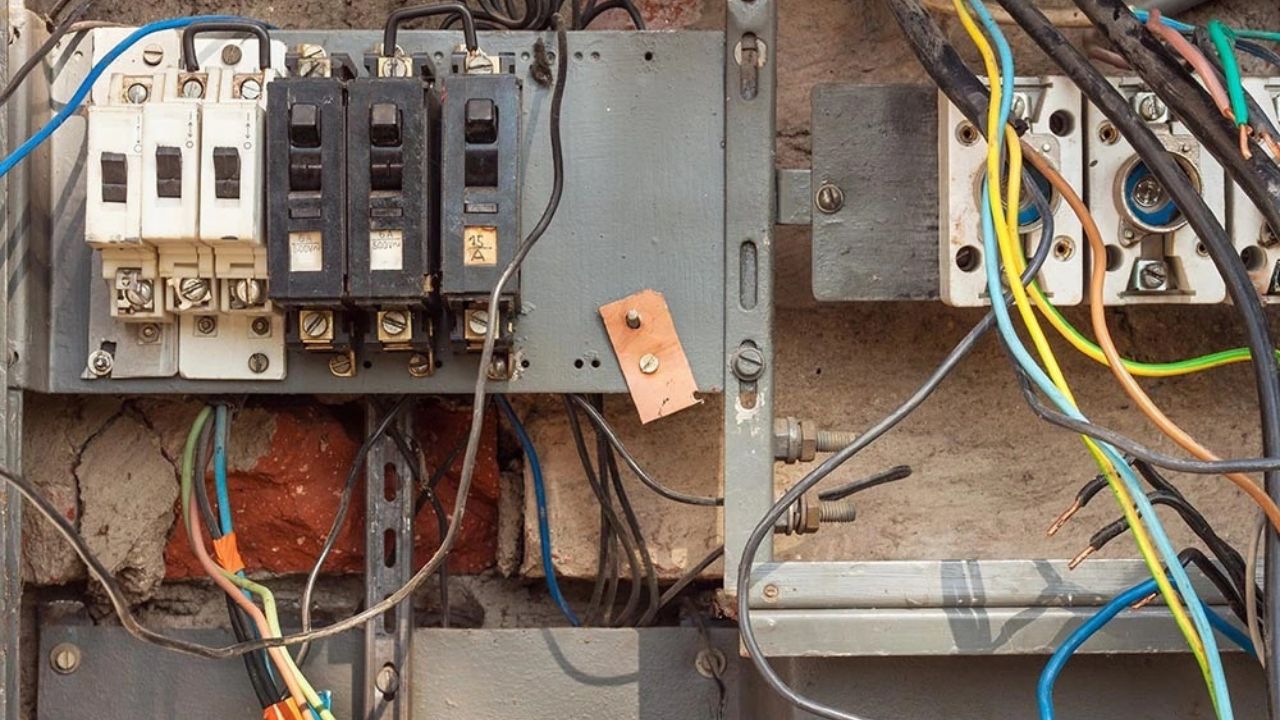
Any power distribution system can be said to be comprised of electrical panels. Regardless of where they are placed in residential buildings, commercial facilities, or industrial plants, their role is vital to the safety, reliability, and efficiency of these facilities. Nevertheless, malfunctions related to electricity, accidents, and expensive downtime may be estimated to have originated in errors when designing, installing, or maintaining the panel. These are some of the most common mistakes to which Electrical Lean Manufacturing should be familiar, so that they can avoid them.
Poor Panel Design and Layout
Some of the pitfalls that may occur during the design process. The electrical panels that are poorly designed are generally overpopulated with regard to the spacing of the electrical parts, and the circuitry is not laid out well. This complicates the process of installation as well as leads to the possibility of overheating and future maintenance errors. In order to avoid this, the panel design must consider the proper spacing of components, future expansion, and isolation of power and control circuits. The panel can be safe, well-organized, and serviced throughout its life due to adequate thermal control and logical layout design.
Improper choice of Circuit Breaker
Another issue that is common is the choice of an inappropriate type or rating of circuit breaker. The breakers that are underestimated may often be tripped and cause disruption, whilst overestimated ones might not offer the required protection during faulty conditions, which may also lead to equipment damage or fire.
This error would be prevented through proper consideration of load needs, fault currents, and any other needs that are application-specific. When choosing MCBs, MCCBs, or ACBs, factors like ambient temperature, load nature, and compliance with applicable IEC or UL requirements must always be considered.
Loose or Tacky Wiring Connections
Among the major causes of electrical failure in the panels are loose terminals and improper wiring. Ineffective connections cause resistance, thus resulting in accumulated heat, voltage loss, and later damage to a component or the occurrence of fire.
Proper application of torque in the process of installation is necessary. Termination of conductors is to be done as per the manufacturer’s specifications, and periodic inspection is to be done to get evidence of loosening, discoloration, or overheating. This risk is greatly minimized by the use of quality terminals as well as the presence of trained personnel in carrying out the installations.
Poor Grounding and Bonding
Grounding errors are frequently dismissed and yet may be rather hazardous. Poor grounding may lead to electric shocks, equipment failure, and unreliability of the operation of the protection devices.
In order to avoid this, grounding and bonding should be in accordance with the local electrical codes and international standards. All metallic enclosures, panels, and all equipment connected to them must be bonded to provide a safe path for fault currents to ground. The grounding continuity is also further improved through regular testing of the systems.
Neglect of Heat and Ventilation Requirements
Electrical panels produce heat in regular operation, particularly in high-load or industrial setups. One of the most frequent errors is to install panels in small areas when there is not enough ventilation, or neglecting the thermal limits of elements.
This issue is preventable by designing sufficient cooling for heat. Some of the ways that can help to ensure safe operation are proper ventilation, proper selection of enclosures, and use of parts that have been rated to work in a higher temperature. Applications where failures must be avoided quickly can be provided with forced cooling or temperature measurements.
Absence of Proper Labelling and Paperwork
Unlabeled circuit boards and a lack of documentation cause confusion in the troubleshooting and maintenance process. This will add downtime and elevate the chances of human error, especially when there are emergency cases.
Circuits, breakers, and terminals must be clearly and permanently labelled. New wiring upgrades and panel schedules must always be kept close to the panel or as part of the maintenance documentation. Effective diagnostics and safe servicing result from proper identification.
Overlooked Periodic Inspection and Maintenance
Numerous electrical panels are put in place, and they are forgotten until a fault comes about. Dust deposition, corrosion, and loosening of connections and old parts may go unnoticed unless they are checked periodically.
A preventive maintenance strategy can be used to prevent unforeseen breakdowns. Periodic visual inspection, thermal imaging, insulation test, and functional test of the protection devices can increase the life of the panel and provide future reliability.
Conclusion
The errors occurring in the electrical panel are normally due to improper planning, the wrong selection of components used, and neglect. Though all these errors can potentially be very dangerous in terms of safety and they may ruin operations, they can be fully avoided with the right design practice, using the right components, and carrying out routine inspection. Combined with these concerns at the initial stage and in line with the industry best practices, electrical panels will be able to offer long-term safety, reliability, and performance in any of the applications.